

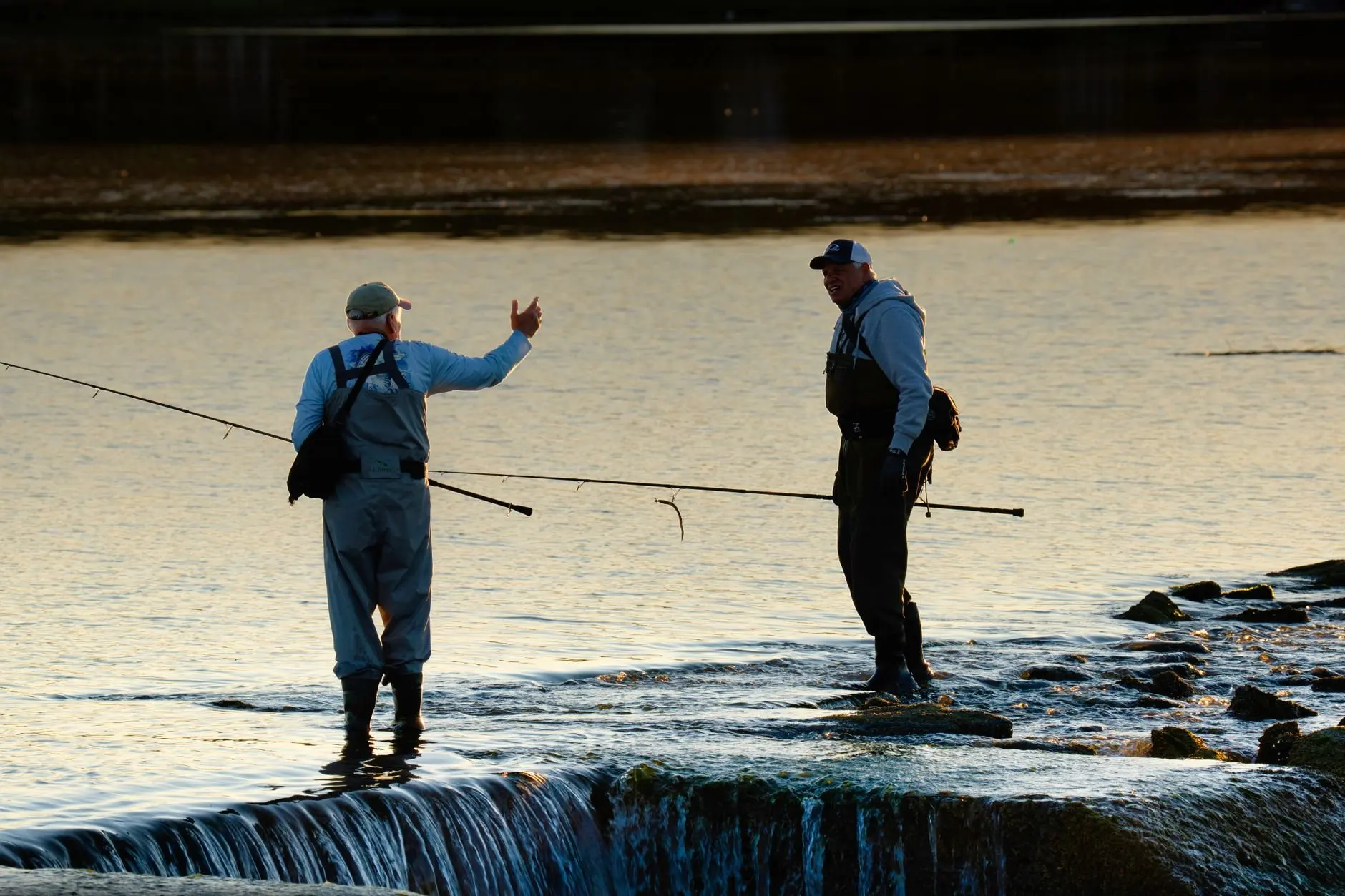
Quick answer: San Juan river fly fishing below Navajo Dam works best when you plan around the day’s dam release, the Quality Water section you pick and the hatch windows. Confirm current releases before you commit to a stretch.
This river is one of the tailwater fisheries covered in our guide to fly fishing in new mexico. Here the focus is planning: how flows, boundaries and timing shape where you stand and when you go, rather than which fly to tie on.
How to choose your approach
The San Juan fishery sits in the northwest corner of New Mexico, below Navajo Dam. Everything downstream of the dam is controlled water, so the dam’s releases, not the weather alone, set the baseline for your day. Four decisions matter most.
- Release flow first. Check the current release before you drive. It decides whether the river suits your wading comfort, and it can change between your plan and your arrival.
- Section second. The Quality Water does not fish the same everywhere. Different parts of it present different opportunities during a single day, so staying flexible beats camping on one run.
- Timing third. Hatch windows give you predictable feeding periods. Build your day around them rather than arriving at random.
- Access last, but confirm it early. Pick your entry point from the current state park and Department of Game and Fish information, not from memory or an old map.
San Juan planning at a glance
| Planning factor | Published detail | Planning use |
|---|---|---|
| Spring runoff period | March 1 to July 31 | Treat this window as the period when release recommendations are framed around runoff. Check current releases more often than usual. |
| Midge hatches | One in mid-morning, another in the afternoon or evening | Plan two productive windows and use the gap between them to move or rest. |
| Baetis hatch | Late morning or early afternoon, more prolific on overcast days | An overcast forecast is a reason to prioritize that part of the day. |
| Quality Water conditions | Different parts present different angling opportunities during a day | Plan to move between sections rather than stay put all day. |
The runoff window comes from the San Juan River Recovery Program’s flow recommendations, and the hatch and section details are from a San Juan guide service’s fishing information.
Reading the release flows
Why the river is managed the way it is
The San Juan’s flows are not set for anglers. The program’s flow recommendations are designed to develop and maintain habitat for Colorado Pikeminnow and Razorback Sucker, both endangered native fish. They also aim to mimic the 65-year record, 1929 to 1993, of the river before the dam existed.
That matters for planning. The pattern you see on any given week follows a recovery program’s logic, which includes a spring runoff period running from March 1 to July 31. Operating procedures at Navajo Dam were revised in 2024 for the 1999 flow recommendations, so older articles and forum posts may describe a schedule that no longer applies. The program’s guidance page is the place to read the current framework.
What release changes mean on the water
Because the river below the dam is controlled, the water you see from the parking area is not a safe guide to what you will find on a long wade. A release change alters conditions between your planning and your arrival. Make the flow check part of the same routine as checking the weather.
- Before you leave home. Look at the latest published release information and the stream gauge readings, then decide whether the stretch you had in mind still suits you.
- At the river. Compare the water in front of you with what you expected. If it looks different, fish closer to the bank and take the cautious option.
- During runoff season. From March 1 to July 31 the program frames its recommendations around spring runoff, so expect more movement in the schedule and check again on the morning of your trip.
If you are newer to wading tailwaters, choose the more conservative approach whenever the release is unclear. A good fishing window is not worth a risky crossing.
Quality Water and Navajo Dam access
The Quality Water is the signature stretch of this fishery, and it is the reason many anglers plan a trip around the San Juan. Its conditions vary by section within the same day, which is useful when planning because you can match a section to your skill and the hour rather than settle for one fixed spot.
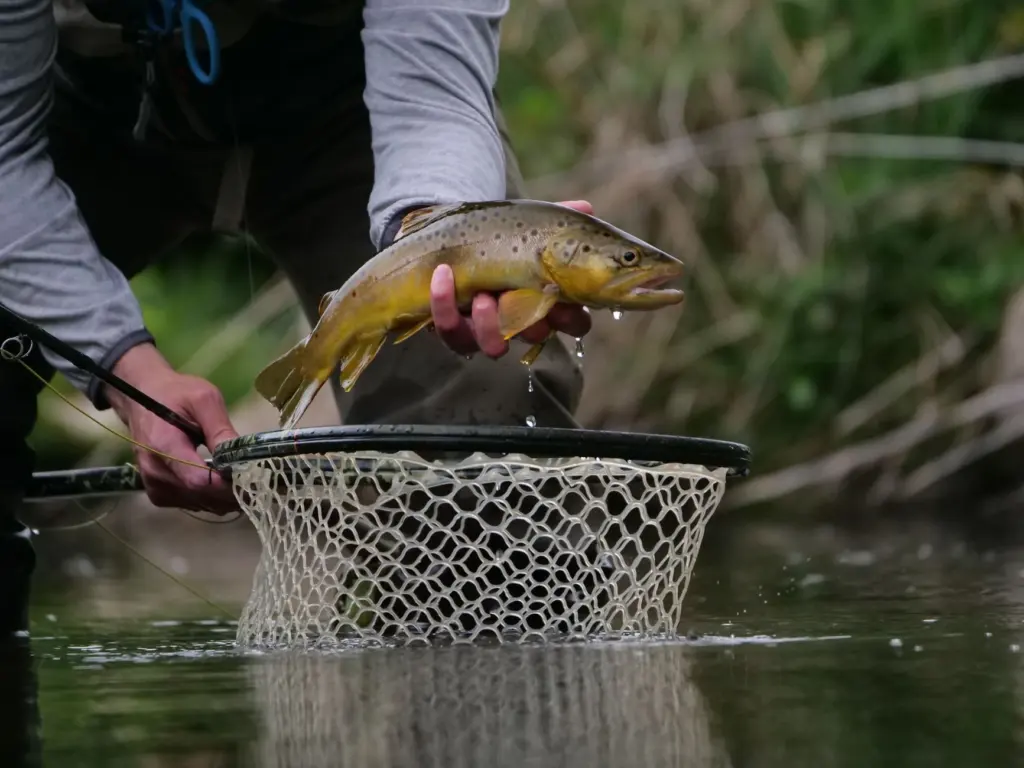
Boundaries and special rules for the Quality Water are set by the New Mexico Department of Game and Fish. Read the current regulations before you fish, because gear and harvest rules for a special trout water can differ from ordinary water, and you are responsible for following the version in force on your date.
Choosing a stretch below the dam
Think of the tailwater as a sequence you can sample, starting near the dam and working downstream as the day develops. Matching a section to the time of day is the practical way to use the river’s variety.
- Near the dam. Best for anglers who want the shortest walk from where they leave the vehicle and who plan to check the flow at the head of the water first.
- Further downstream. Suits anglers who want a different feel from the river later in the day and are willing to move, since parts of the Quality Water present different opportunities as the hours pass.
- Off-peak starts. If your preferred run is occupied, use the time to check another section instead of crowding in.
Reaching the river
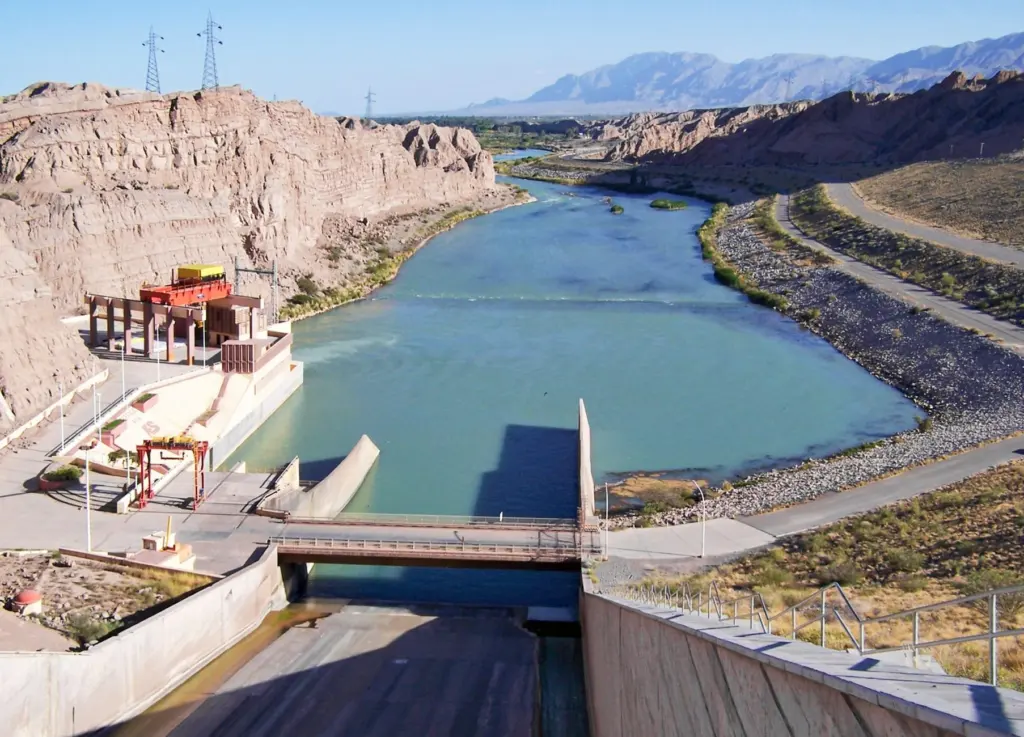
For Navajo Dam fishing access, start with the New Mexico State Parks information for Navajo Lake and the Department of Game and Fish pages. They are the right places to confirm which entry points are open and how each connects to the river corridor. Look for parking and trail signage on arrival, and carry a printed or saved copy of your route in case your phone signal fades.
Timing your day and season
Hatch timing gives the San Juan a daily rhythm that is easy to plan around. Midge hatches are reliable, with one in mid-morning and another in the afternoon or evening. Baetis generally hatch in late morning or early afternoon and are more prolific on overcast days.
For the rainbow trout most anglers come to catch, the practical lesson is to concentrate your effort in those windows. Use the quieter hours between them to walk to another section, check the flow again, or rest the water you have been fishing.
Seasonal planning
The best season depends on what you want from the river. Spring runoff is the period, March 1 to July 31, that the program’s recommendations are built around, so it rewards anglers who check flows repeatedly. Outside that window, the daily hatch windows are your main scheduling tool.
If you are combining the San Juan with other water, compare trip timing across the state. Our guide to rio grande fishing new mexico covers a very different river setting, and the new mexico fish stocking report helps when you are weighing stocked waters elsewhere in the state.
Troubleshooting common problems
- The river looks different from your plan. The release may have changed. Recheck the published release and gauge readings before you wade, and move to a safer, shallower position if the water is not what you expected.
- Fishing is slow. Check the clock against the hatch windows. A quiet spell between the mid-morning and afternoon or evening midge hatches is normal, so use it to relocate.
- A section is crowded or unproductive. Different parts of the Quality Water present different opportunities within a day. Move rather than force it.
- Bright, clear weather. Baetis are more prolific on overcast days, so if the forecast is clear, lean on the midge windows.
- An old guide describes a different flow pattern. Operating procedures at Navajo Dam were revised in 2024, so rely on the current program guidance rather than dated posts.
Frequently asked questions
Where is the San Juan River fishery located?
It is in the northwest corner of New Mexico, on the river below Navajo Dam.
Why do San Juan flows change through the year?
The flow recommendations aim to develop and maintain habitat for Colorado Pikeminnow and Razorback Sucker and to mimic the river’s pre-dam hydrology, including a spring runoff period from March 1 to July 31.
When do the hatches happen?
Midge hatches come in mid-morning and in the afternoon or evening. Baetis emerge during late morning into early afternoon, with heavier activity when skies are overcast.
Do all parts of the Quality Water fish the same?
No. Different parts of the Quality Water present different angling opportunities during a day, so moving between sections can pay off.