

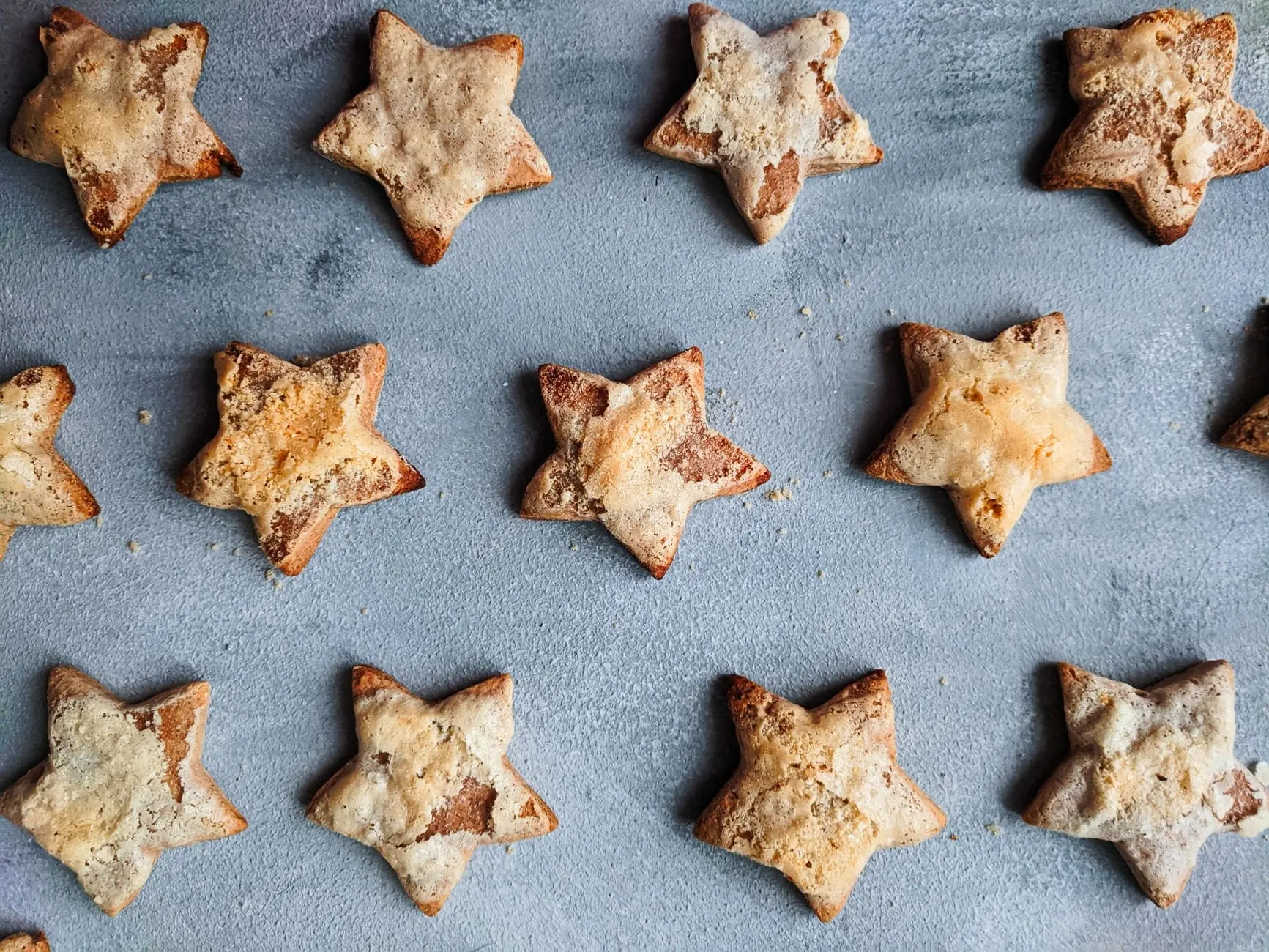
Biscochitos are New Mexico’s state cookie: crisp, shortbread-like rounds made with lard, flavored with anise seed and rolled in cinnamon sugar. The lard, the anise and the sugar coating are what separate them from other holiday cookies.
The sections below cover the name, the flavors, how the dough becomes a cookie and when families serve it. For the wider picture of regional cooking, see our guide to new mexico food.
What a biscochito is and where it comes from
A biscochito is a small, crisp cookie. Eating New Mexico describes biscochitos, sometimes spelled bizcochitos, as crisp, shortbread-like cookies flavored with anise seeds. The name comes from the Spanish word “bizcocho,” which means “biscuit.” That is a useful clue to the cookie’s character: it is closer to a shortbread biscuit than to a soft, chewy cookie.
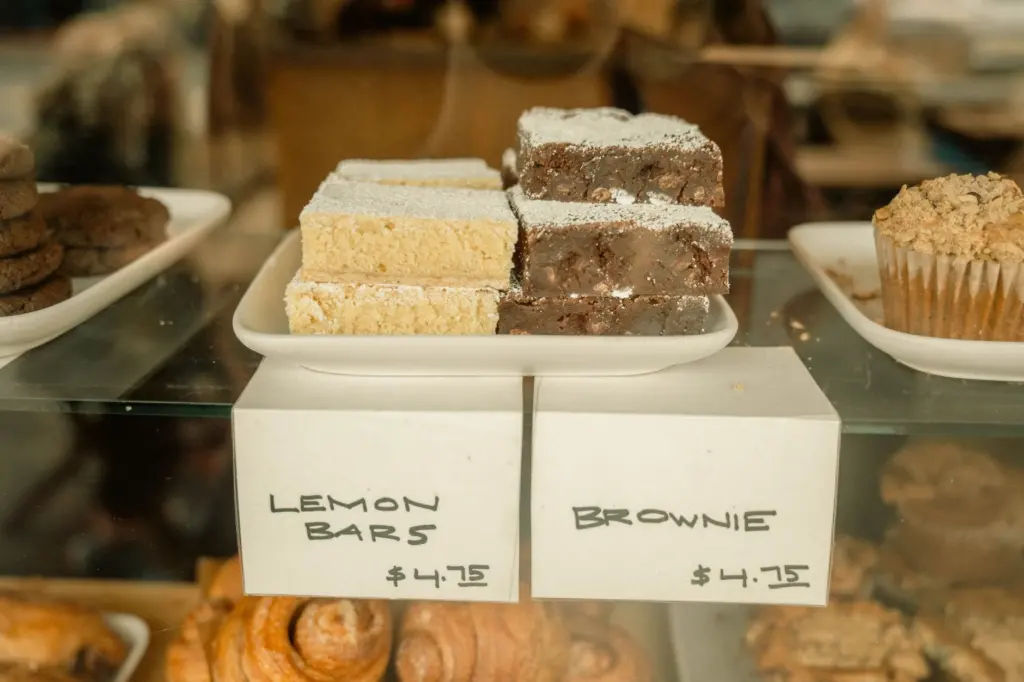
The cookie is also a piece of regional history. According to the Ebe Family Co. product notes, it was first brought to the region by Spanish colonists in Santa Fe de Nuevo México. The same source calls biscochitos New Mexico’s beloved state cookie.
That answers why the cookie holds the title. A recipe carried by colonists, and still baked for weddings, baptisms and Christmas, is a natural candidate for a state symbol. The origin and the continuing family use give the designation its meaning.
Traditional ingredients and the flavors that define them
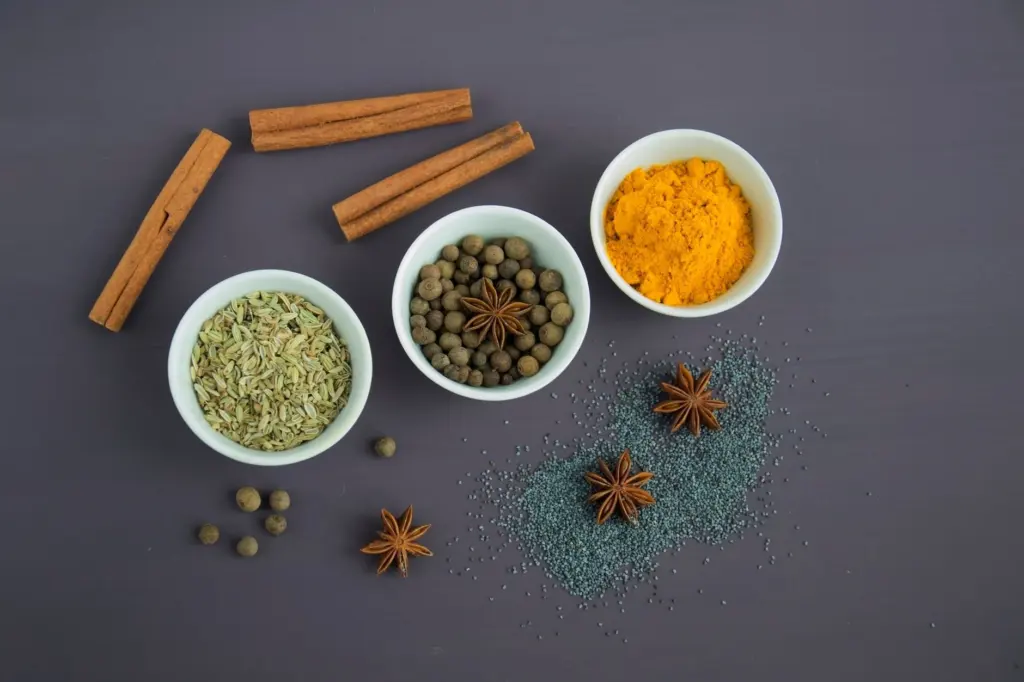
Three things define a biscochito: lard, anise seed and a cinnamon-sugar coating. Together they produce a cookie that tastes of licorice-like anise and warm cinnamon rather than of vanilla or butter.
| Ingredient | Amount per batch | Role in the cookie |
|---|---|---|
| Lard | 8 ounces (226 g) | The traditional fat, and the main reason the dough tastes distinct from butter-based cookies |
| Anise seed | 1 teaspoon, in a batch of 48 cookies | The signature flavor |
| Cinnamon and sugar | 2 teaspoons cinnamon with 1/2 cup sugar | The coating, applied while the cookies are warm |
Amounts come from a Simply Whisked recipe, while the point about lard follows Eating New Mexico‘s account of the traditional recipe.
Why the fat matters
Eating New Mexico is firm that traditional biscochitos must use lard. Lard is the ingredient most home bakers want to swap, so it deserves attention. If you want the cookie as New Mexican families know it, use lard. Butter produces a perfectly good cookie, but it is a different one.
Why anise and cinnamon work as a pair
Anise sits inside the dough, while cinnamon sits on the outside. The first bite gives the sugar and cinnamon, and the anise follows. The quantity is modest, since the recipe above uses only a teaspoon of anise for the whole batch. Aim for a hint of it, not a candy-like punch.
From dough to cookie: the stages
The method is short, and the order matters most at the end. The coating goes on while the cookies are still warm.
- Mix the dough. Work the lard and anise seed into the dough. The Simply Whisked recipe also allows 2 tablespoons of whiskey or brandy per batch as an optional addition.
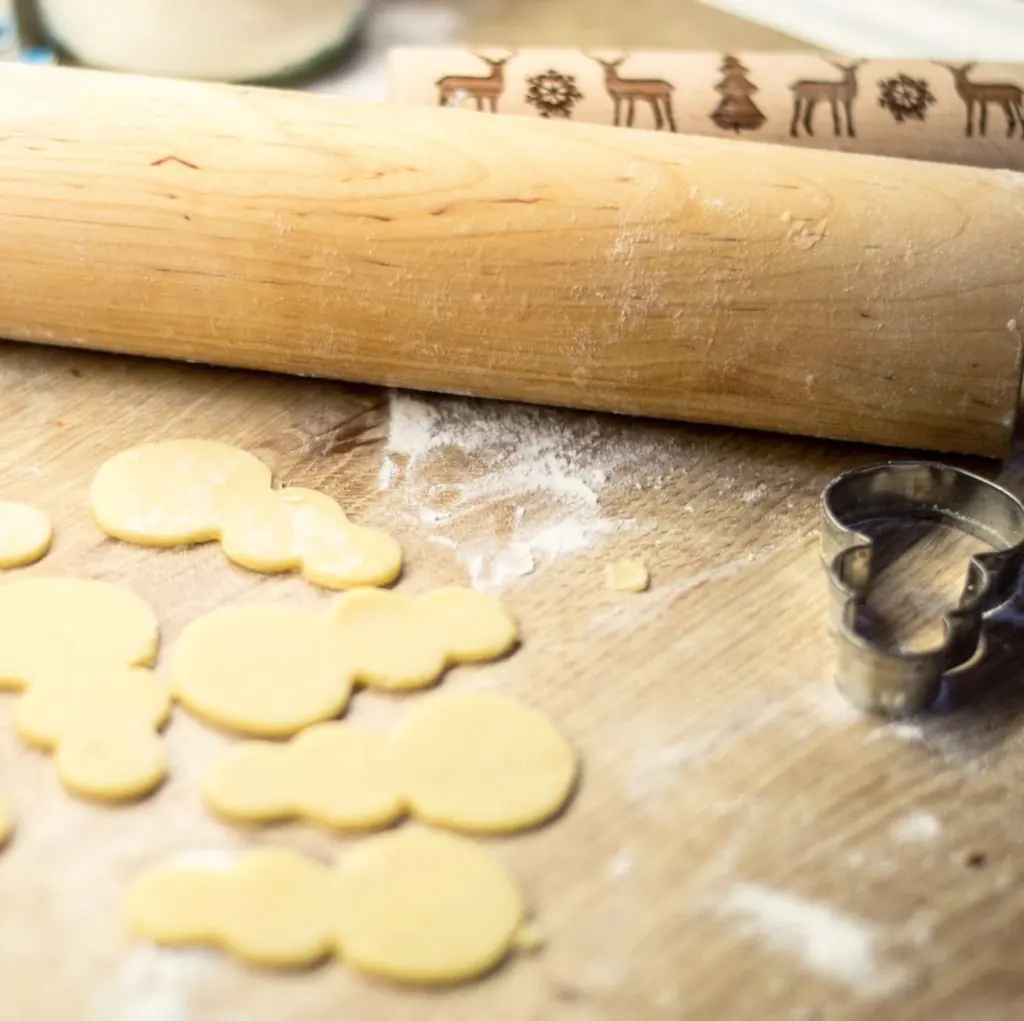
- Roll and cut. Roll the dough out on a floured board and cut it into shapes. Stars are a common choice, but any cutter works.
- Bake hot and briefly. Heat the oven to 350°F and bake for 8–10 minutes, according to the same recipe.
- Coat while warm. Combine the cinnamon and sugar in a shallow bowl and coat the cookies while they are warm, so the sugar clings.
The short bake explains the texture. These cookies are meant to be crisp and shortbread-like, so pull them from the oven once they are set instead of letting them dry out. After that, the coating does the finishing work, which is why no icing is needed.
Biscochitos compared with Mexican wedding cookies
Biscochitos and Mexican wedding cookies are often mistaken for each other because both are small, pale holiday cookies. The difference lies in the fat, the flavor and the finish.
- Fat. Biscochitos are made with lard. Other holiday cookies are typically made with butter, according to Eating New Mexico’s comparison.
- Flavor. Anise is the defining note in a biscochito. It is absent from the butter-based holiday cookies it is usually set against.
- Finish. Biscochitos get a cinnamon-sugar coating. Other holiday cookies are often iced or decorated with sprinkles.
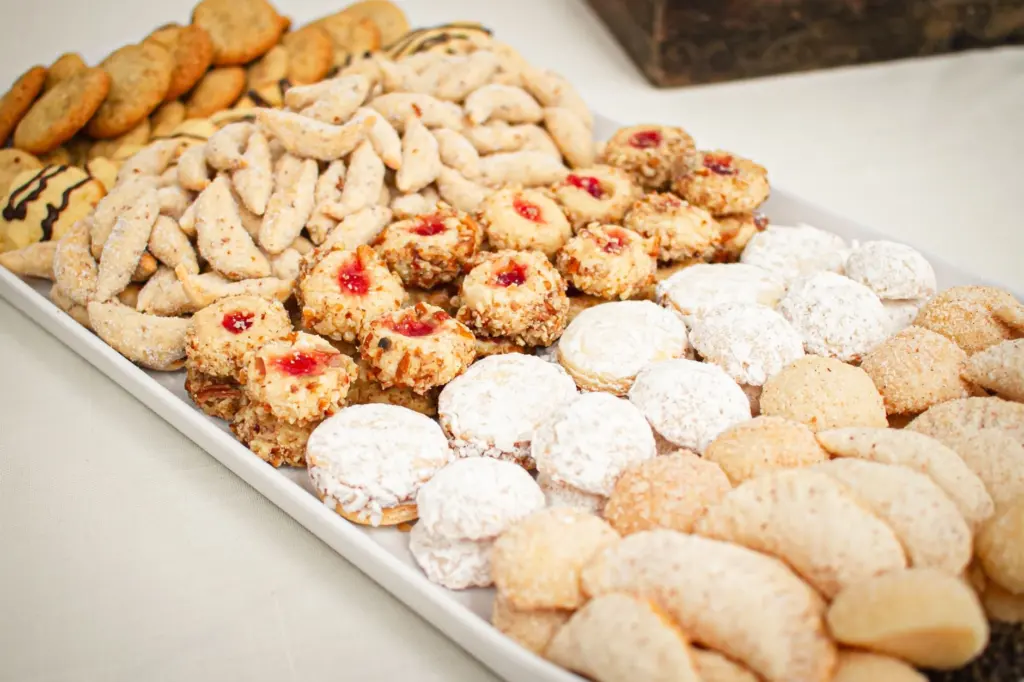
If you are unsure which cookie is in front of you, taste it. A distinct anise flavor and a cinnamon-sugar crust point to a biscochito. If it tastes buttery and is iced or decorated, it belongs to the wider family of holiday cookies.
When biscochitos are served
Biscochitos are a celebration cookie, and the list of occasions is long. Eating New Mexico notes that they appear at Christmas, weddings, baptisms and feast days, and also during Día de los Muertos celebrations. The Ebe Family Co. product notes describe them as a staple at weddings, baptisms and especially the Christmas season.
Christmas baking is the most familiar tradition. A Me and My Captain post recalls making them at Christmas time, which fits the picture of a cookie baked by families rather than only bought. Because the same recipe turns up at weddings and baptisms, it works as a gift or a shared plate.
For a food-minded visit, think of the cookie as the sweet end of a meal. Savory dishes such as carne adovada are the usual starting point for a New Mexican table. For a morning stop, our guide to the best breakfast in santa fe is a good place to begin before you go looking for something sweet.
Frequently asked questions
Is “bizcochito” the same cookie as “biscochito”?
Yes. Both spellings refer to the same anise-flavored cookie, and bizcochito is the spelling closer to the Spanish word “bizcocho.”
Can I use butter instead of lard?
You can, but the result will differ. Traditional recipes call for lard, and substituting butter or shortening changes both the texture and the flavor of the cookie.
Is brandy or whiskey required in the dough?
No. The Simply Whisked recipe lists 2 tablespoons of whiskey or brandy per batch as an optional addition, so you can leave it out.