

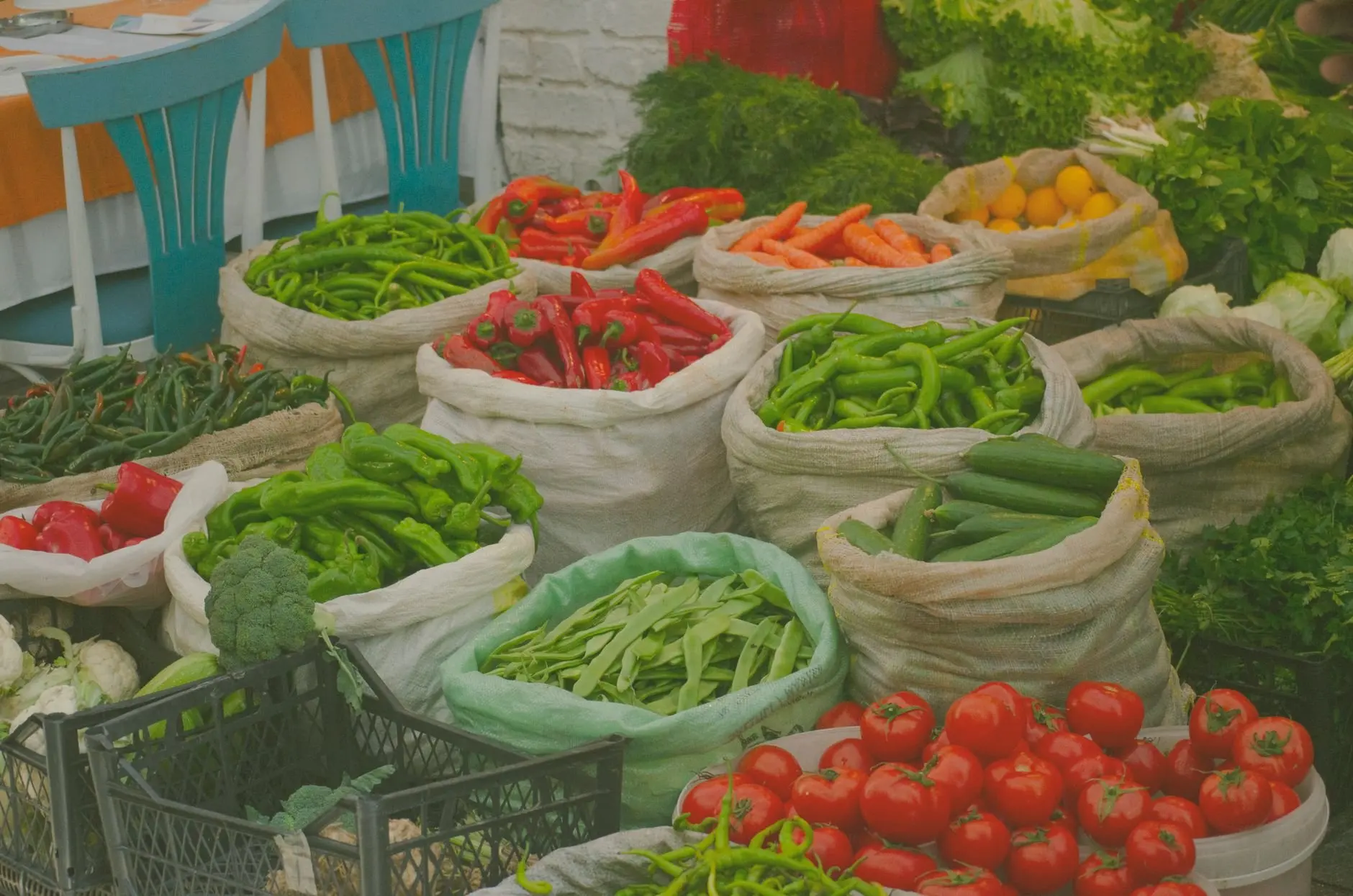
A roadside sign advertises hatch green chile, but the name is a place claim: the chile is grown in New Mexico’s Hatch Valley, and its heat is typically moderate, not extreme.
For the wider picture of regional cooking, start with our guide to new mexico food, then use this page to read the Hatch label itself.
What the Hatch name covers
Hatch chile is a geographic name rather than a single recipe or pepper. According to a seasonal produce guide, a chile cannot officially be called “hatch” unless it is grown in the Hatch Valley of New Mexico, an area stretching along the Rio Grande. The label tells you where the plants grew. It does not tell you the cultivar, how hot a particular batch is, or how it was handled after picking.
That distinction clears up most of the confusion at the stand and on the menu. Three assumptions come up again and again.
| Common assumption | What holds up | What to do |
|---|---|---|
| All New Mexico green chile is Hatch chile | The Hatch name requires growing in the Hatch Valley along the Rio Grande | Ask where the chile was grown if the sign says Hatch |
| Hatch green chile is very hot | The heat level tends to be on the moderate side | Ask for the variety and heat rating, then taste before buying in bulk |
| Fresh Hatch chile is available all year | Peak harvest runs from late July to early September | Plan fresh purchases around that window and freeze for later |
Figures and descriptions in the table come from a produce guide on Hatch green chiles and a guide to when and where to buy Hatch chiles.
Hatch Valley and the neighbouring growing towns
Hatch Valley sits along the Rio Grande, and the chile-growing region is wider than the village itself. Towns like Hatch, Las Cruces and Deming are described as core areas for the crop. So the answer to whether all New Mexico green chile comes from Hatch is no. Green chile is a New Mexico staple, and the Hatch name is a narrower claim inside that larger category.
What the label does not guarantee
A Hatch origin says nothing on its own about freshness or roast quality. It also says nothing about spice. Treat the word as a starting point for questions, not a finished description. A reliable seller can usually name the variety and say whether the batch is mild, medium or hot.
How hot Hatch chile is
Hatch green chile is generally moderate in heat, and heat is measured in Scoville heat units (SHU). The Big Jim cultivar is listed at about 6,500 SHU, described as medium heat and large enough to stuff for rellenos.
Use that figure as one reference point for a named variety, not as a promise for every pod sold under the Hatch name. Different cultivars carry different heat, so the safest purchase habit is to ask which variety you are buying. If you are cooking for people with mixed tolerance, choose a medium-rated variety and keep hotter batches for dishes where chile is the main flavour.
The practical meaning of “moderate” is that Hatch green chile suits dishes built around the chile itself, such as stuffed pods and stews, without overwhelming the other ingredients. Heat preferences are personal, so tasting a roasted pod before committing to a large sack is better than relying on any number.
Harvest season and the Hatch Chile Festival
Peak harvest for Hatch green chile runs from late July to early September. Another guide describes the season as August and September. Both point to late summer, so that is when fresh, locally harvested chile is easiest to find.
The Hatch Chile Festival belongs to that late-summer calendar. Confirm the current dates and schedule with the Village of Hatch’s official festival announcements before booking travel or lodging. If your priority is buying fresh chile rather than attending the event, the harvest window above is the better guide to timing.

Roasting green chile
Roasting is the standard way to prepare Hatch green chile. A produce guide says the chiles are most commonly roasted in a high-heat oven or broiler. Sellers in season may roast chile for you, which saves effort when buying in volume.
Green chile is the immature stage of the pepper, which turns red when it matures. That is why green chile belongs to the harvest window and why red chile is a separate product. Roasted pods are then used in sauces, stews, rellenos and as a topping, so a batch of strips on the cutting board is a flexible base.
Buying and storing Hatch chile
Buy fresh chile during the harvest window, and decide before you shop how much you will use right away and how much you will freeze. Storage time depends on the form, and the supported figures differ sharply between fresh, roasted and frozen.
- Fresh, unroasted pods: they should keep for about one week in the refrigerator before starting to wilt, so buy only what you can roast soon.
- Roasted chile in the refrigerator: use it within three to five days.
- Roasted chile in the freezer: it can last from ten months to a year, according to the same buying guide, which makes freezing the sensible choice for a large sack.
Eating green chile out
If you would rather taste Hatch-style chile than roast it, restaurant menus are the easy route. Our guide to the best new mexican restaurants in albuquerque is a good place to start for dinner, and the best brunch in albuquerque covers morning dishes where green chile often appears. On any menu, ask whether the chile is from the Hatch Valley, because the name is only a claim about origin.
Frequently asked questions
| Question | Answer |
|---|---|
| Does green chile become red chile? | Yes. Green chile is the same pepper before maturity, and it turns red when it matures. |
| How long does Hatch chile season last? | The season lasts about six to eight weeks, according to a buying guide, so fresh purchases need to be timed to it. |
| Can I roast chile without a drum roaster? | Yes. A high-heat oven or broiler is the usual home method, and an air fryer set to 390-400°F for 8-10 minutes, turning the chiles halfway through, is another option from the same guide. |