

| Item | What it is | Planning use |
|---|---|---|
| Red chile | Chile picked fully ripe and strung on ristras to dry; red chiles are more mature than green ones | Choose it for sauces and stews such as carne adovada |
| Green chile | The less mature stage of the pod; chiles are one of the state’s two official vegetables | Choose it for burgers and plates where you want the chile to stand out |
| Christmas | The order for red and green chile together | Say it when you cannot decide, or want to compare both sauces on one plate |
| Sopaipilla | Baked or fried pastry pillows, often served before dinner | Treat it as part of the meal, not an afterthought |
| Biscochito | The official state cookie; New Mexico was the first state to name one | Buy it as a take-home sweet or a quiet finish to a spicy meal |
Descriptions follow a roundup of classic New Mexican foods and a guide to New Mexican cuisine.
New Mexico food is built around chile, served red, green or both, alongside enchiladas, carne adovada, sopaipillas and biscochitos. Settle the chile question first, then pick a Santa Fe or Albuquerque meal that suits the time of day.
This page is the starting point for the magazine’s dining coverage. Each section below ends in a practical choice, and the linked guides go deeper on a single dish, meal or neighborhood once you know where you want to begin.
What New Mexican food is
New Mexican cuisine is a chile-centered regional tradition that is, according to this guide to the cuisine, much more influenced by Native American and Hispanic flavors than by Mexican ones. The state even has what that guide calls its official question: “red or green?”
New Mexican food versus Tex-Mex
The most useful difference at the table is emphasis. Because the cuisine leans on Native American and Hispanic flavors rather than Mexican ones, chile is not a side salsa you add at the end. It is the sauce you are asked to choose before the plate is built.
If you know Tex-Mex, adjust your habits accordingly. Expect the server to ask about chile before anything else, answer with a color, and treat the answer as the main decision of the order. Visitors who skip the question or ask for something generic miss the point of the cuisine. Visitors who answer confidently usually get a plate that tastes the way the kitchen intended.
Where the traditions come from
The food reads as layered history rather than a single heritage. The same guide describes the blend of cultures here as one of the first examples of fusion cuisine in the United States, and it notes that the United States took New Mexico as its own when the Mexican-American War ended in 1846.
Individual foods carry different dates. According to the New City road-trip roundup, the Spanish introduced the biscochito cookie sometime in the sixteenth or seventeenth centuries, so that sweet predates the American period by a long way. By contrast, New Mexico Cultural’s lexicon places the origin of green chile burgers in the late 1920s and early 1930s, a much more recent addition built on the older chile tradition.
The practical lesson is that you are eating across several centuries at once. A single meal can put a very old cookie beside a twentieth-century burger, and both count as New Mexican. With that in mind, the next question is what the two chile colors actually mean.
Red and green chile
Red chile
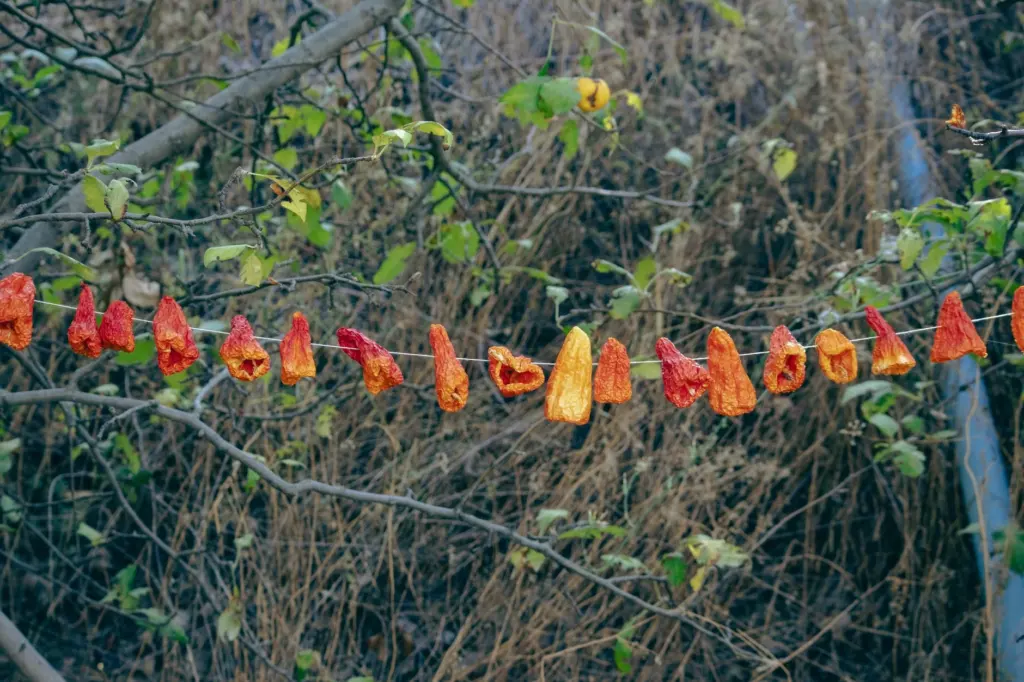
Red chile is the mature form of the pod. The roundup notes that red chiles are more mature than green ones, and the cuisine guide adds that red chiles are picked fully ripe and then strung on ristras to dry. That drying step is why strings of red pods are such a familiar sight.
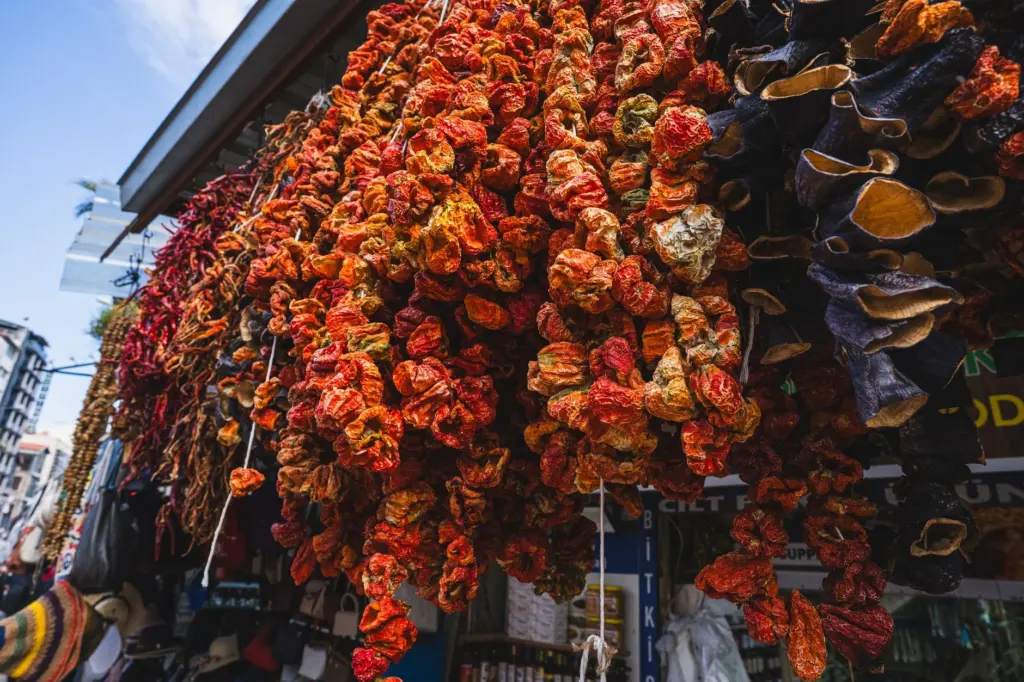
Choose red when the dish is a slow, saucy one. Carne adovada, described by the roundup as a New Mexican red chile pork stew, is the clearest example, and it has its own guide to carne adovada for readers who want to compare versions.
Green chile
Green chile is the same crop at an earlier stage, and it is the better choice when you want the pepper itself to be the point of the dish. Chiles are one of the state’s two official vegetables, along with pinto beans, so the ingredient carries real standing as well as flavor.
Green suits handheld and casual food especially well, which is why it turns up on burgers. If you are new to the cuisine and want a single, uncomplicated order, green on something familiar, such as a cheeseburger, is a low-risk way to begin.
Ordering Christmas
“Christmas” is the answer to “red or green?” when you want both. The cuisine guide calls it the appropriate response if you want a mix of both colors of chile, and a Christmas order puts red and green on the same plate.
Use it on your first visit, or whenever you are sharing a table and cannot agree. It is also the quickest way to learn which color you prefer before you commit a whole meal to one. If one color wins, order it outright next time.
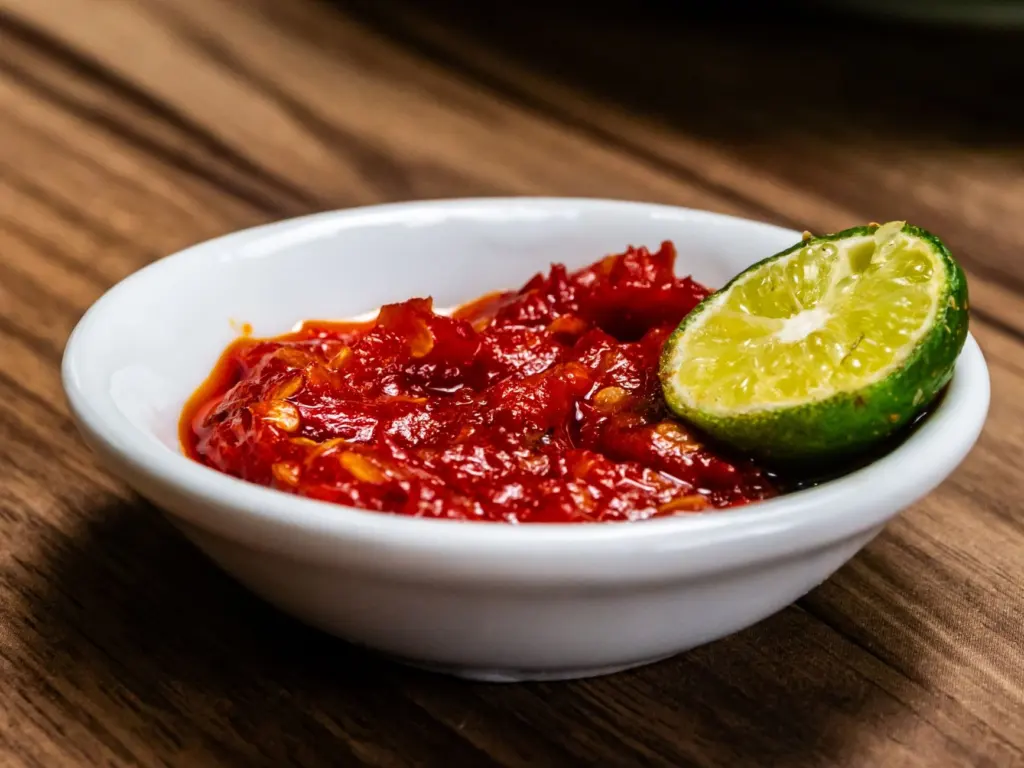
Hatch chile and New Mexico-grown chile
How Hatch differs from other chiles
Hatch chile is named for where it grows. The cuisine guide says it is grown in the Hatch region of New Mexico, and Taste New Mexico explains that Hatch chiles share a similar mild-to-medium heat with other green chiles such as Anaheim, but have a more intense, more complex taste.
That is the right way to read the name. Hatch is not a promise of extreme heat; it signals flavor and a place of origin. For anyone worried about spice, a menu that names Hatch chile is a reasonable choice, while the heat of any particular plate should still be checked with the kitchen. The magazine’s explainer on hatch green chile gives the longer picture.
| Chile | Where it comes from | Character | Planning use |
|---|---|---|---|
| Hatch | The Hatch region of New Mexico | Mild-to-medium heat, with a more intense, complex taste than Anaheim | Pick it when a menu names Hatch and you want flavor without extreme heat |
| Chimayo | A place 30 minutes north of Santa Fe | A named regional chile | Ask how it is used if you see it listed while based in Santa Fe |
| Dried red chile | Picked fully ripe, then strung on ristras to dry | The mature, dried form of the pod | Expect it in red sauces and stews |
| New Mexican chiles overall | Over one hundred varieties exist today | Varieties differ widely | Ask the server for a read on the day’s chile before ordering a big bowl |
Figures and descriptions come from Taste New Mexico and the cuisine guide.
Why chile matters to the state
Chile is also an economic crop. KOAT reports that New Mexico chiles account for 4,000 jobs and bring in more than $400 million, which helps explain why menus advertise where their chile was grown.
The same cuisine guide notes that New Mexico’s chile growers and researchers have a long history: the Chile Pepper Institute has been contributing to chile cultivation and varieties for more than 130 years. Readers who like to understand an ingredient before ordering it will find that history reflected in the sheer number of varieties.
Classic dishes to order
Most New Mexican menus recombine a short list of dishes with the red-or-green choice, so a handful of orders will take you a long way. Pick one or two from the list below rather than sampling everything in a single sitting.
Enchiladas, stacked and smothered
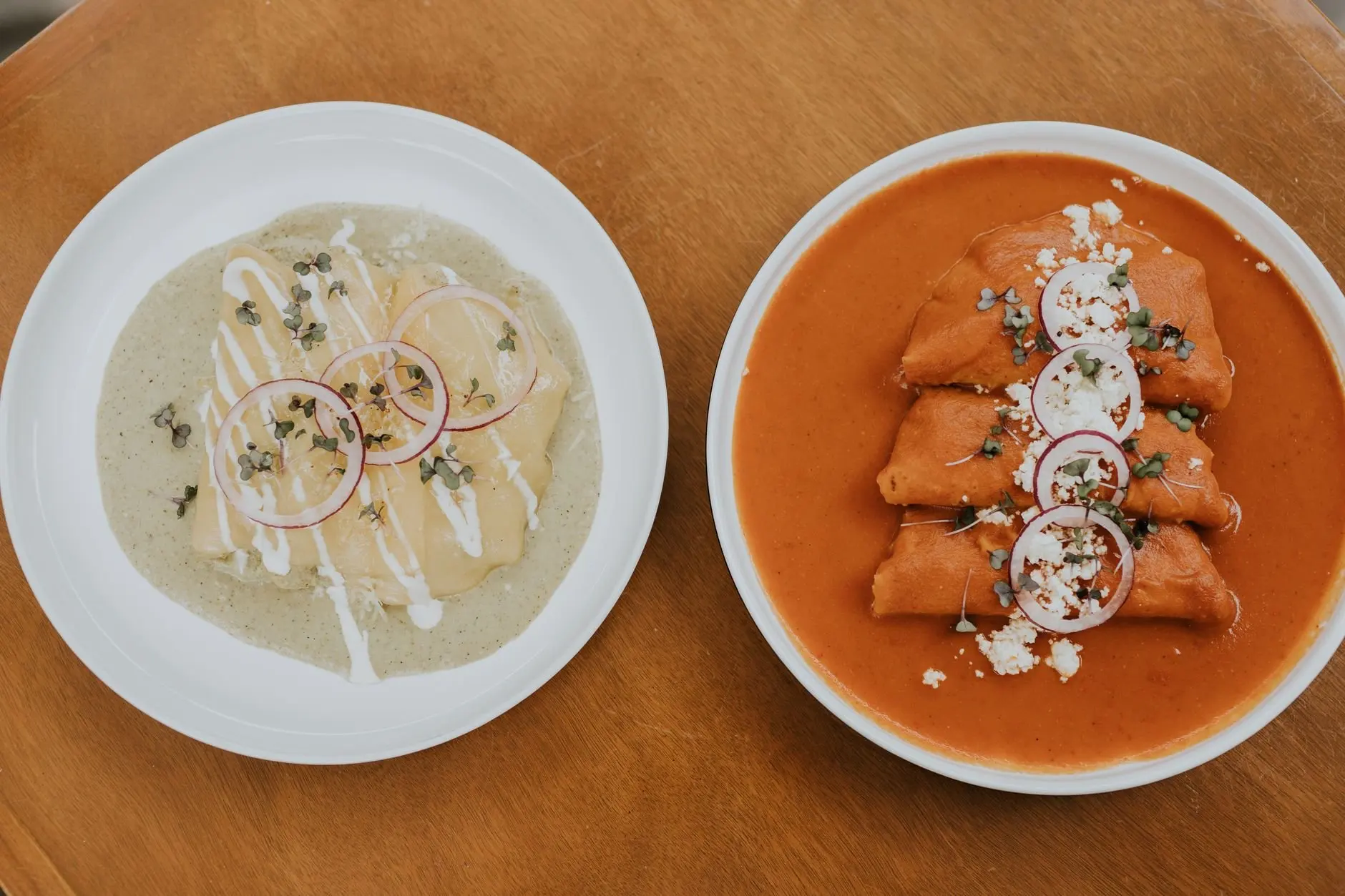
The New City roundup describes stacked enchiladas as two or three tortillas layered one on top of the other with cheese and meat. Ask for yours Christmas style and the layers carry both sauces, which makes this the best single dish for learning how red and green differ.
Carne adovada and red chile stews
Carne adovada is the dish to choose when you want red chile at its richest. It is a stew of pork in red chile sauce, and it rewards a slower, sit-down meal more than a quick lunch. Compare a few kitchens’ versions through the best new mexican restaurants in albuquerque guide.
The green chile cheeseburger
The green chile cheeseburger is the easiest entry point for a first-time visitor. The roundup notes that the Lotaburger chain loads its cheeseburgers with Hatch chiles, so even a fast, inexpensive stop can put you in touch with the state’s best-known pepper.
Sopaipillas and biscochitos
Sopaipillas are baked or fried pastry pillows, and the roundup notes they are often served before dinner. Eat them as part of the meal rather than saving room for them; they are bread first and a sweet second.
For something truly sweet, look to the state cookie. New Mexico was the first state to have an official state cookie, and the full story of biscochitos is a good next read before you shop for a box to take home.
Beans, vegetables and sides
Pinto beans share the state-vegetable title with chiles, so beans appear on a New Mexican plate as a staple rather than a filler. Treat the side dishes as part of the cuisine and not as plate decoration, particularly when you are sharing a table and can split several.
Vegetable-forward sides also give your palate somewhere to rest between bites of chile. When you order a rich main such as enchiladas or a stew, a simple vegetable side keeps the meal balanced, and it is an easy way to bring a non-meat option to a shared order.
Where to eat in Santa Fe
Breakfast and lunch
Santa Fe is a good place to start the day with chile, since a breakfast plate lets you answer “red or green?” on eggs before the rest of the day gets complicated. The magazine’s full list of the best breakfast in santa fe sorts the options, and the best lunch in santa fe guide covers the middle of the day.
If you have limited time for a chile-forward meal in the city, make it lunch. That leaves the evening open for something more formal without asking your palate to manage chile at every meal.
Fine dining
When you want a long, composed dinner rather than a plate of enchiladas, the fine dining santa fe guide is the place to compare restaurants. Book that dinner on a night when you have not already had a heavy lunch, and keep your chile order simple earlier in the day.
Markets and nearby chile
The santa fe farmers market is the quickest way to see local produce and ask vendors direct questions about what is in season. For a chile-specific detour, the cuisine guide places Chimayo chile at a spot 30 minutes north of Santa Fe, which makes a half-day drive realistic if chile is your reason for visiting.
Where to eat in Albuquerque
Old Town and traditional rooms
Albuquerque suits visitors who want a traditional meal in a neighborhood setting. The guide to the best restaurants old town albuquerque is the right place to start if you want sit-down plates rather than quick bites.
Breakfast burritos and brunch
Breakfast is where chile becomes a daily habit. If a handheld, portable breakfast is your goal, compare options in the best breakfast burrito albuquerque guide; for a slower weekend meal, the best brunch in albuquerque guide fits better.
Food trucks and casual eats
Casual food is where you can eat widely without a large bill or a reservation. The roundup of albuquerque food trucks is the place to go for quick plates, and it suits travelers who want to try several dishes in a day instead of committing to one long meal.
Fine dining
For a dressed-up dinner, the fine dining albuquerque guide covers the more formal end of the city’s restaurant scene. Choose it when the evening is the main event of the trip, not an add-on to a day of casual eating.
Drinks and coffee
Chile-heavy food changes how you should think about what to drink. A margarita is the obvious pairing, and the santa fe margarita trail guide sorts the best places to try one. For mornings, the best coffee shops albuquerque guide covers cafes in both cities.
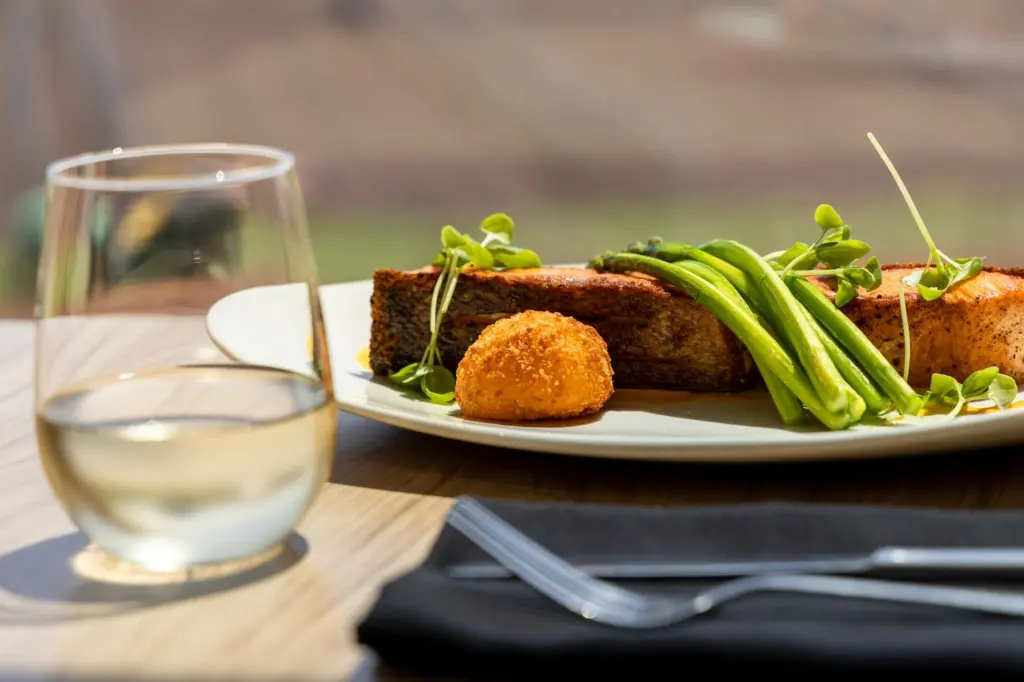
With wine, choose a glass that complements a sauce rather than competing with it, and order it with the food instead of before. A patio table in good weather suits a slower meal.
Choosing where to start
- First visit, limited time: order a green chile cheeseburger for lunch and Christmas enchiladas for dinner, so the same day covers both colors and both a casual and a sit-down meal.
- Cautious about heat: begin with Hatch chile, which Taste New Mexico describes as mild-to-medium, and ask how hot the day’s batch is before ordering a large bowl.
- Food-focused trip: spread the guides across several days, mixing a fine-dining evening with casual stops so your palate stays fresh.
- Bringing something home: buy biscochitos, which keep the trip’s flavor without needing a kitchen.
Beyond the plate, the magazine also publishes explainers on local and skate the sky for readers who want more from the site.
Frequently asked questions
Can a restaurant call any chile a New Mexico chile?
No. According to KOAT, a 2011 law made it illegal to advertise chiles as New Mexico chiles if they are not grown in the state, as reported by KOAT.
What is a Frito pie?
It is a simple dish built on corn chips in a bowl of chili, or a bag of Fritos opened and filled, as the New City roundup describes it.
What flavors are in a biscochito?
The cookie is flavored with cinnamon or crushed anise seed and is often made with lard, according to the same roundup.
Who studies New Mexico chile?
The Chile Pepper Institute, which a cuisine guide credits with more than 130 years of contributions to chile cultivation and varieties.