

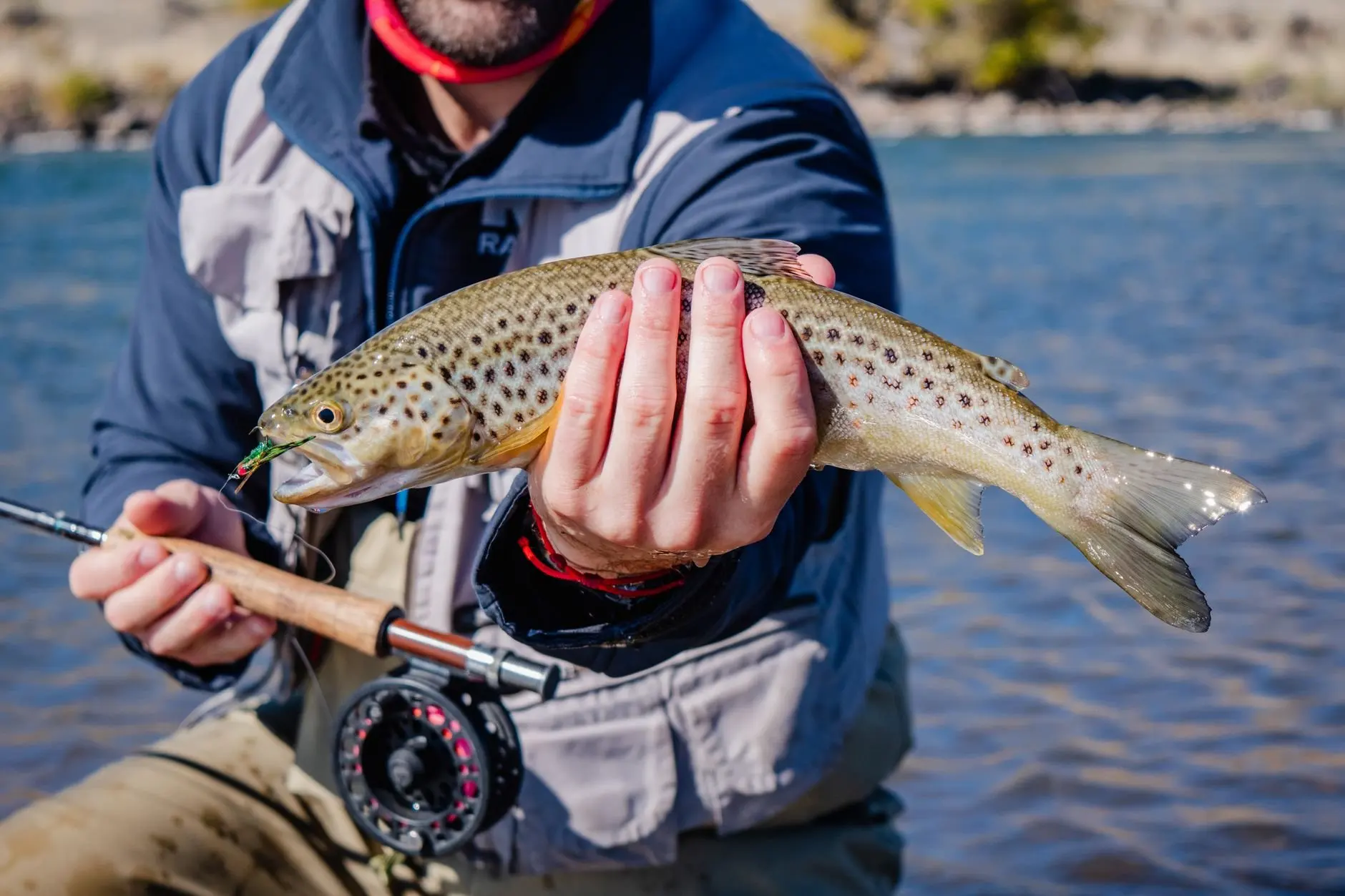
Wondering whether trout were just stocked before a weekend on the water? The New Mexico fish stocking report from the Department of Game and Fish is the place to check, but it is a compiled snapshot, not a guarantee.
This guide explains how the report is built, what its patterns mean and where people tend to misread it. For wider trip planning, see our overview of fly fishing in new mexico.
How the stocking report is put together
The New Mexico Department of Game and Fish fishing and stocking report is a field summary, not a hatchery ledger. The version printed by the High Plains Observer says it was generated from the best information available from anglers and area conservation officers. That origin shapes how you should use it. It tells you what people on the ground have recently seen and reported, and it reads best as guidance for choosing a water rather than as a delivery receipt.
The same report carries a clear limit. Conditions encountered after the report is compiled may differ, because stream, lake and weather conditions alter fish. A report that was accurate when written can be stale by the time you reach the water. Check how recent the version you are reading is, and weigh a fresh report more heavily than an older one for the same water.
Alongside the written report, the Department’s fishing tools include an interactive Fishing Waters Map. It displays hundreds of fishing access points with information on the fish species available. For anyone asking where trout are stocked in New Mexico, the map is the practical starting point. It lets you move from a water named in the report to the access points around it.
Common misunderstandings about the report
Most disappointing trips trace back to a handful of assumptions about what the report promises. The table sets each assumption against what the report actually supports.
| Common assumption | What the report supports | Planning use |
|---|---|---|
| The report is a live feed of stocking activity | It is compiled from angler reports and area conservation officer information, and conditions may differ after compilation. | Treat it as a recent snapshot and expect some change by trip day. |
| Seasonal patterns can be memorised as fixed dates | The Trip Planner graphs show average weekly fishing conditions over a four-year period. | Use them to judge typical conditions for a week of the year, not to promise a stocking date. |
| The map shows only waters that were just stocked | The Fishing Waters Map lists hundreds of access points with the fish species available. | Use it to find access and species, then confirm recent stocking in the current report. |
| A stocked water has no extra rules | Land management agencies can set additional regulations or restrictions on specific properties. | Contact the managing agency before you go. |
These points come from the Department’s report as reproduced by the High Plains Observer.
The first assumption does the most damage. Because the report relies on anglers and officers, it captures what people noticed rather than every release. A water that is quiet in the report may still hold fish, and a water praised in the report may have fished out since. The report narrows your options, and your own read of the water on the day finishes the job.
Where trout come from and where they are stocked
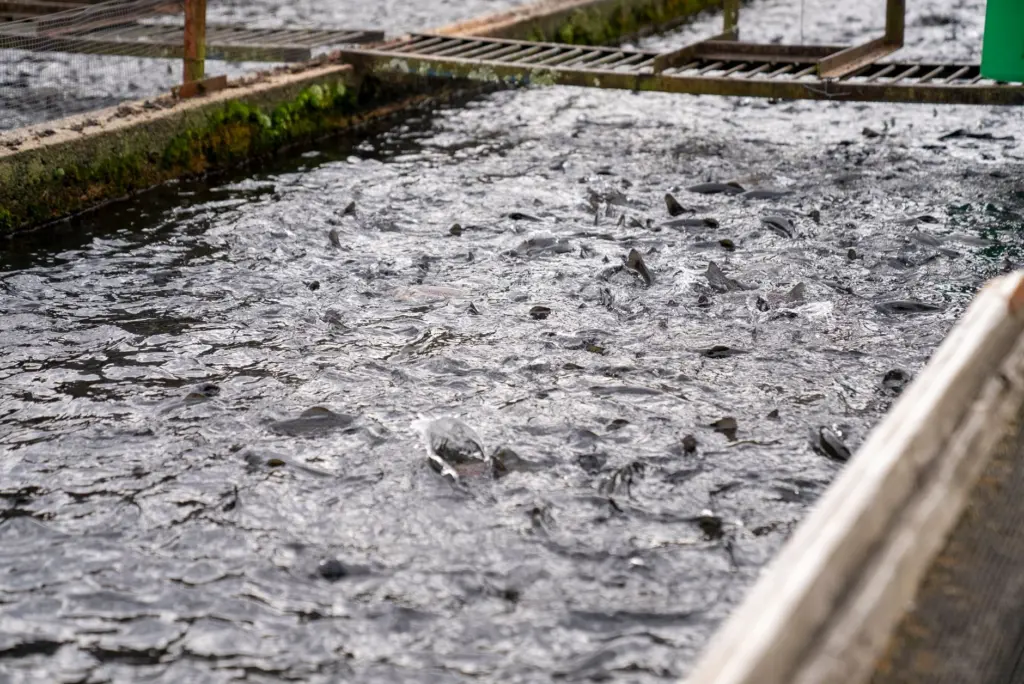
Stocked trout begin at a fish hatchery, where eggs are hatched and fish are raised before release. The report names at least one state facility directly. Its streamflow notes refer to conditions below the Red River Hatchery on the Red River, which places a working hatchery on that stream.
A hatchery location matters to you for two reasons. Water near a hatchery is a place where the report comments on flows and conditions, and it is a reminder that stocked fish are a managed product rather than a wild population. That distinction shapes expectations. Stocked fish are released into a water for people to catch, while wild and native fish are managed on different principles.
To work out where trout are stocked in New Mexico for a particular trip, combine the two tools. Scan the current report for waters mentioned with recent activity, then open the Fishing Waters Map to see the access points and species for those waters. If you want a river with a very different character from a put-and-take lake, our san juan river fly fishing guide covers that water on its own terms.
Species stocked and what catchable means
Rainbow trout are the species most associated with stocking, and catchable trout are fish raised to a size meant to be kept and caught. The practical detail comes from a stocking report published by Eagle Nest Fly Shack, which explains the role of triploid fish. Triploids grow quickly and are intended for harvest in many areas, which is why they suit waters where the goal is a reliable catch rather than a self-sustaining population.
The same source explains how triploids are made. Hatchery biologists apply a specific pressure or heat treatment to the eggs to induce a third set of chromosomes. The result is sterile fish. Because triploids cannot spawn, they will not interbreed with native Rio Grande cutthroat trout or Gila trout. For anglers who care about native fish, that is the main reason stocked triploid rainbows and conservation of native trout can coexist.
This also explains a pitfall. A stocked rainbow in a stream that holds native cutthroat is not a threat to the native gene pool when it is triploid, but it still occupies the same water. If your aim is a native fish, a stocking report points you away from your target. Look instead for waters managed for native trout, and check their regulations first. If your aim is a fish for the table or an easy outing, stocked waters are the better fit.
Winter, summer and the seasonal picture
Whether stocking changes between winter and summer is best answered from the current report rather than from a remembered pattern. What the Department’s tools do offer is a seasonal view of fishing itself. The Fishing Conditions and Trip Planner graphs show the average conditions for each week of the year over a four-year period.
That design has a useful consequence. A graph averaged over a four-year period shows typical conditions for a given week, so it suits early planning, such as picking which month to book. It does not replace the report on trip day, because stream, lake and weather conditions alter fish from one week to the next. Use the graph to choose the season and the report to choose the water.
A sensible approach to the seasons is to match the tool to the question. Ask the graph what a typical week looks like, ask the report what has been seen recently, and expect them to disagree sometimes. When they do, the report is the more recent evidence, though it is still a compiled summary.
Reading the report on trip day
A few habits turn the report from background reading into a plan.
- Start with recency. A fresh report reflects recent angler and officer observations. An older one may describe conditions that have since changed.
- Cross-check on the map. The Fishing Waters Map confirms access points and available species for any water the report mentions.
- Use the graphs for timing. The weekly conditions graphs help you decide when to go, not whether a given water was stocked.
- Confirm the rules. Land management agencies can add regulations or restrictions on specific properties, so contact them before fishing a water you have not used before.
The last point matters most on state parks, reservoirs and other managed land. A report can tell you fish are present while a property rule limits how, where or when you can fish. If you are combining fishing with an overnight trip, plan around those rules too.
Frequently asked questions
| Question | Answer |
|---|---|
| Where can I see the latest stocking report? | Look for the fishing and stocking report from the New Mexico Department of Game and Fish on the Department’s website. Regional outlets such as the High Plains Observer have also reproduced it. Use the most recent version, since conditions can change after it is compiled. |
| Does stocking change in winter or summer? | The Department’s Trip Planner graphs show average weekly fishing conditions across a four-year period, which is the best guide to seasonal differences. For a specific week, rely on the current report. |
| Why are triploid trout stocked? | They grow quickly and are intended for harvest in many areas. They are also sterile, so they cannot spawn with native fish such as Rio Grande cutthroat trout. |
| Do I need to check anything besides the report? | Yes. Contact the land management agency for the property you plan to fish, because specific properties can carry additional regulations or restrictions. |